Buying a Scottish Highland Estate: What You Need to Know
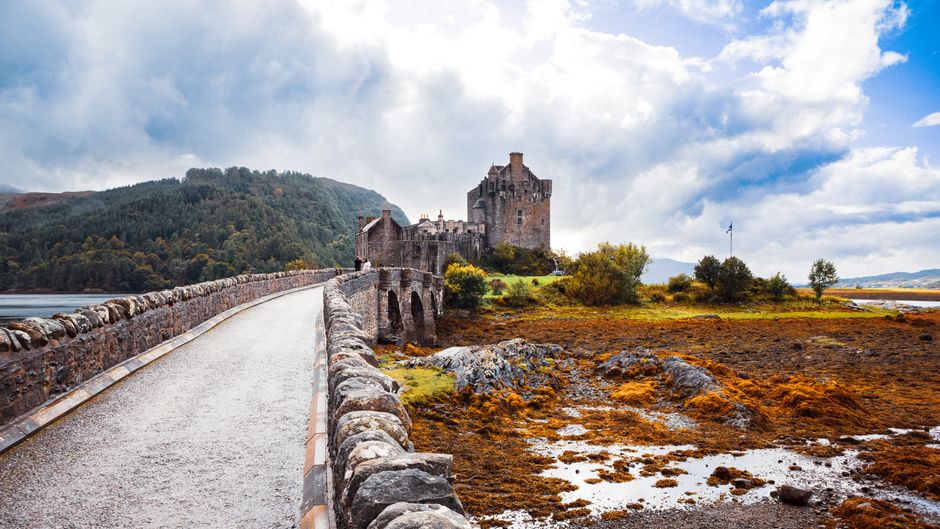
Purchasing a Scottish Highland estate is a significant investment that requires careful consideration and expert advice. Unlike buying a standard residential property, estate purchases involve complex legal, financial, and practical factors that deserve thorough attention.
Start with professional valuation. Highland estates are valued differently from ordinary properties because their value depends on multiple factors: land quality, buildings, water rights, sporting rights, timber value, and development potential. Engage a surveyor experienced with large rural properties and estates. They'll assess structural condition, identify necessary repairs, and help you understand the true value of what you're purchasing.
Legal due diligence is critical. Scottish property law differs from English law, and estates involve additional complexities. Your solicitor should investigate title deeds, check for any restrictions or covenants affecting the land, verify mineral rights, and understand water and fishing rights. Some estates carry historical obligations or rights that could impact future use. A thorough legal review prevents costly surprises after purchase.
Understand the financial reality. Beyond the purchase price, estates require substantial ongoing investment. Budget for maintenance of buildings, land management, tree felling and replanting, drainage systems, and access roads. Factor in professional fees for accountants, land agents, and specialists. Many purchasers underestimate these running costs, which can reach tens of thousands annually.
Investigate income potential. Review historical accounts if available. Understand current leases, sporting lets, and other income-generating activities. Speak with the existing management team about what's realistic to expect. Be cautious about projections—Highland tourism and sporting markets fluctuate, and diversification is safer than relying on a single income stream.
Consider the human element. Who will manage the estate day-to-day? You might need an experienced factor or estate manager. Are key staff willing to stay under new ownership? Good management is crucial to estate success.
Think about your vision. Are you buying as an investment, a family home, or a restoration project? Your goals will shape decisions about diversification, public access, and long-term development.
Finally, allow time for the process. Estate purchases typically take 3-6 months. Don't rush. Thorough due diligence upfront prevents problems that could plague you for decades.